

Cooler Food Storage for Large Families: A Packing Guide
Table of Contents
- Why Cooler Food Storage Matters for Large Families
- How to Keep Food Dry in a Cooler
- Leak-Proof Food Containers for Coolers
- How to Pack a Cooler for a Family
- How Long Food Stays Cold in a Cooler
- Cooler Rack Systems for Families
- Common Mistakes to Avoid When Packing a Family Cooler
- Frequently Asked Questions
Last Updated: October 17, 2026
Why Cooler Food Storage Matters for Large Families
Soggy sandwiches, waterlogged vegetables, and melted cheese are the result of poor cooler food storage for large families. Melted ice water pools at the bottom of most coolers, turning everything soggy within hours.
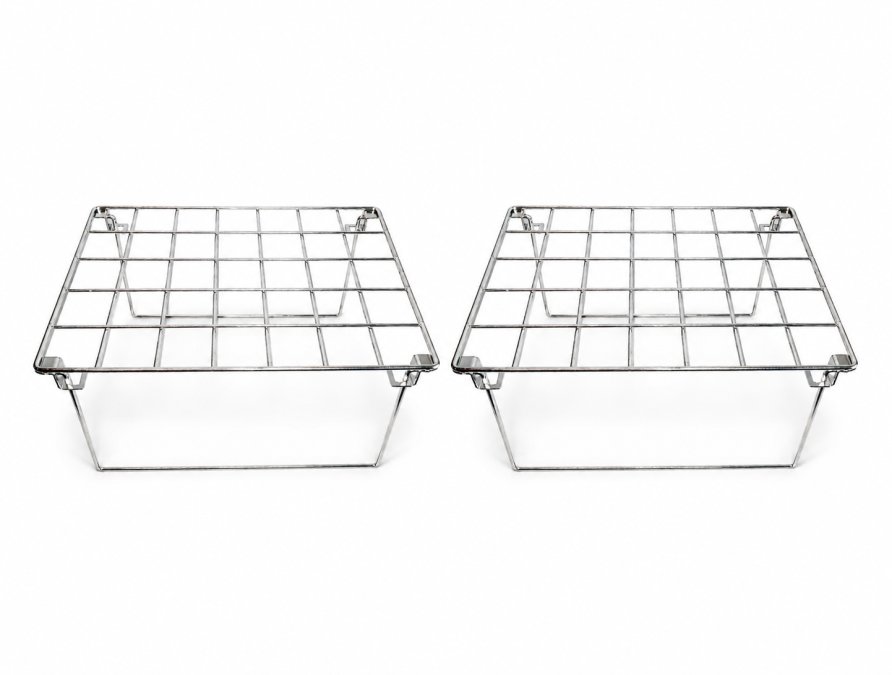
At Cooler Racks™, we've seen this firsthand. The solution is elevation and organization: separate food from ice and water, and meals stay fresh and containers stay dry.
Properly structured cooler food storage for large families eliminates digging through ice, prevents cross-contamination, and keeps cold drinks accessible without disturbing meals.
How to Keep Food Dry in a Cooler
The core challenge with cooler food storage is managing meltwater. The solution involves two key strategies: elevation and the right type of ice.
Elevate Food Above Ice and Meltwater
The most effective way to keep food dry is to physically separate it from the ice below, letting cold air circulate while keeping food away from standing water.
A cooler rack system lifts food 7 inches above the cooler floor, high enough to clear most meltwater but low enough to maintain cooling through air circulation. The grid design lets cold air pass through while keeping ice and water contained below.
Makeshift solutions like wooden boards or plastic crates trap water or lack clearance. A purpose-built cooler rack offers proper elevation with drainage holes that let water flow freely while food stays dry.
Use Block Ice Instead of Cubes
Block ice melts more slowly than cubes, so less water accumulates. A standard block can last 2-3 times longer than an equivalent volume of cubes, depending on cooler size, weather, and how often you open it.
Block ice means less pooling water and moisture exposure, plus a more stable base for elevated storage since it doesn't shift like cubes.
For cooler food storage for large families, combining block ice with elevated racks creates what many call "Fridge Mode", your cooler functions like a refrigerator. Food stays dry and organized on top, cold drinks stay below, and the setup requires no electricity.
Leak-Proof Food Containers for Coolers
Leak-proof food containers add a second layer of protection against moisture and help organize your cooler.
Airtight containers prevent food from absorbing odors or moisture and keep marinades, sauces, and dressings from leaking onto other items. For cooler food storage for large families, secure locking tabs won't pop open when stacked or jostled.
Silicone or hard-plastic containers with airtight seals work best: durable, easy to clean, and stackable on cooler racks. Look for BPA-free, freezer-safe, and dishwasher-safe options.
Proper containers reduce waste: food stays fresher longer, portions are pre-organized, and nothing leaks.
How to Pack a Cooler for a Family
Packing strategy determines whether your cooler functions smoothly or becomes a chaotic mess, and for a large family, whether the food is safe to eat on day three.
Layer Your Cooler Strategically
Start with a solid base of block ice at the bottom of your cooler. If your cooler has a drain plug, open it or tilt the cooler slightly so meltwater can escape.
Place your cooler rack system on top of the ice layer.
Layer food containers on the racks, grouping similar items, sandwiches in one, vegetables in another, snacks by type, so meals are easy to access without digging.
Place frequently accessed items like drinks and snacks toward the front or sides, and reserve the back or center for items you'll need less often. This reduces cooler opening time and helps maintain cold temperatures.
Separate Raw Meat and Ready-to-Eat Food
The most important safety rule in a family cooler is keeping raw meat, poultry, and seafood away from anything that won't be cooked.
In practice, raw meat goes in its own sealed container on the lowest rack or directly on ice, while sandwiches, cut fruit, cheese, and leftovers sit on higher racks or in a separate cooler. Many large families dedicate one cooler to raw meat and another to ready-to-eat food and drinks.
Organize by Meal and Access Frequency
For cooler food storage for large families, organize by meal: pack breakfast, lunch, and dinner separately and label containers so anyone can find what they need.
Keep high-traffic items like drinks and snacks accessible without moving other containers.
Store dairy and meat in leak-proof containers on the elevated racks, with raw meat in separate sealed containers to prevent cross-contamination.
Use a Cooler Thermometer and Monitor Temperatures
A cooler thermometer is one of the cheapest, most useful pieces of gear a large family can add. Place it where you can read it without unpacking and check it at least daily, more often in hot weather.
The USDA Food Safety and Inspection Service recommends keeping perishable food at 40°F or below. If your cooler thermometer reads above 40°F for more than two hours, the food is no longer considered safe and should be discarded. That window is shorter in hot weather, above 90°F outside, the limit drops to one hour.
Keep the Cold Chain When Serving
At mealtime, pull only what you need and close the lid immediately. The USDA's two-hour rule applies to serving too. Serve from one container at a time and return each to the cooler promptly.
Maximum Coverage Cooler Rack System (30″) →
How Long Food Stays Cold in a Cooler
For a large family, the useful question isn't just "how long does food stay cold", it's "how much cooler capacity do we need for this many people for this many days?" A cooler that works for a couple's weekend trip runs out of cold air by day two when holding meals for six.
Estimate Capacity by Family Size and Trip Length
A practical rule of thumb many experienced campers use is to plan on roughly 1.5 to 2 cubic feet of cooler space per person for a two- to three-day trip, assuming you're packing food and drinks together.
For trips longer than three days, capacity needs grow faster than linearly because you'll need room for ice replacement. A common pattern is to add about 25 to 30 percent more cooler volume for each additional two days beyond the first three, with the extra space reserved for block ice rather than food.
Understand What Shortens Cold Retention
Cold retention depends on insulation quality, outside temperature, lid openings, the ice-to-food ratio, and block versus cubed ice. In moderate conditions, roughly 70 to 75°F with the lid opened a few times a day, a well-packed cooler with block ice and elevated food storage typically holds safe temperatures for three to five days.
Every time the lid comes off, cold air spills out and is replaced by warm ambient air. For large families, the biggest controllable factor is reducing lid-open time: keep drinks and snacks in one accessible zone, and group meal containers so one person can retrieve an entire meal in a single lift.
Plan Ice Replacement Before You Leave
For trips beyond three days, plan your ice budget like your meals: one block per day per 5 cubic feet of cooler space, plus a 20 to 30 percent buffer for hot weather. Many families freeze gallon jugs of water as block ice, they melt more slowly than cubes and provide drinking water as they thaw.
Knowing your cooler's realistic cold-retention window lets you plan meal timing: use fresh meat and dairy in the first two days, and rely on shelf-stable or pre-cooked frozen meals later. That sequencing matters more for large families, because the volume of perishable food is higher and the cost of losing it is greater.
Cooler Rack Systems for Families
A cooler rack system transforms how your family uses coolers: instead of a jumbled pile in cold water, you get organized, dry food storage that works like a portable refrigerator.
Choosing the Right Rack Size for Your Cooler
Cooler racks come in two primary sizes: compact (10" × 11" × 7") and full-size (15" × 11" × 7"). The right choice depends on your cooler's interior dimensions and how many people you're feeding.
Measure your cooler's usable interior length, width, and height before selecting a rack. A compact rack fits coolers with at least 10 inches of interior length; a full-size rack requires at least 15 inches.
If your cooler has at least 25 inches of interior length, you can fit both sizes end-to-end. The Full Cooler System bundle includes one compact and one full-size rack, which works well for families packing multiple meal types.
Setting Up Your Cooler Rack System
Setup takes seconds: unfold the folding legs and place the rack firmly on your ice layer. The stainless steel construction is durable and corrosion-resistant, and the 2×2-inch grid lets ice and water flow underneath while supporting containers on top.
Cooler racks are designed to fit approximately 86 different cooler models, though compatibility depends on your specific cooler's interior dimensions. Check the size guide to confirm your cooler is compatible before ordering.
Racks are portable and reusable: they fold flat for storage and clean easily in the dishwasher, making them a long-term investment in better cooler organization.
Common Mistakes to Avoid When Packing a Family Cooler
Understanding what not to do is as important as knowing what to do.
Don't pack food directly on ice.
Don't use only cubed ice. Cubes melt quickly and create excessive water.
Don't open the cooler repeatedly without purpose. Each opening lets warm air in and cold air out.
Don't skip leak-proof containers.
Don't overpack your cooler. Overstuffing prevents proper air circulation and reduces cooling efficiency.
Don't forget to drain meltwater periodically.
Keeping food dry and organized on family trips doesn't require complicated systems, just the right strategy and tools.
Ready to eliminate soggy food and transform how your family packs coolers?
Frequently Asked Questions
What are the best leak-proof food containers for coolers?
Airtight containers with secure locking lids prevent food from absorbing melted ice water. Look for containers made from BPA-free plastic or glass with silicone seals. For families, multi-piece sets offer flexibility, use smaller containers for snacks and larger ones for meals. Pair leak-proof containers with cooler racks to keep them elevated above meltwater for maximum protection.
How long can food stay cold in a cooler?
Most foods stay safe for 2-4 hours in a cooler without ice, depending on the starting temperature and outside heat. With block ice or ice packs, perishable foods like meat and dairy can stay cold for 24-48 hours. Coolers with better insulation and proper ice-to-food ratios extend this time. Using a cooler rack system keeps food organized and maintains consistent cold temperatures throughout your trip.
Should food be stored above or below the ice in a cooler?
Food should be stored above the ice to keep it dry and prevent soggy sandwiches and produce. Melted ice water pools at the bottom of the cooler, which ruins food placed directly on ice. A cooler rack elevates food 7 inches, creating a fridge-like setup with cold drinks and ice below. This separation keeps meals fresh and organized for the entire trip.
How do I know if a cooler rack will fit my cooler?
Measure the interior length, width, and height of your hard-sided cooler. Cooler racks require at least 7 inches of usable interior height and matching width (11 inches). The CR-SS-10 compact rack needs 10 inches of length, while the CR-SS-15 full-size rack needs 15 inches. Check the Size Guide on the Cooler Racks website to verify compatibility with your specific cooler model before ordering.