

Keep Produce Fresh in Ice Chest: 7 Steps
Table of Contents
- Step 1: Prepare Your Ice Chest and Choose the Right Ice
- Step 2: Separate Fruits and Vegetables That Shouldn't Be Stored Together
- Step 3: How to Keep Food Dry in a Cooler with Elevation
- Step 4: How to Pack a Cooler for a Road Trip
- Step 5: Manage Meltwater, Condensation, and Drainage
- How Long Does Produce Last in a Cooler
- Common Mistakes to Avoid
- Conclusion
- Frequently Asked Questions
Last Updated: October 9, 2026
Step 1: Prepare Your Ice Chest and Choose the Right Ice
Keeping produce fresh in ice chest starts before you pack. Your cooler needs the right setup to hold temperature and manage water.
Clean your cooler thoroughly: rinse with fresh water and let it dry completely to prevent mold and bacteria.
Next, choose your ice. Block ice lasts longer than cubed, a single block keeps a cooler cold for 3-5 days, while cubed melts faster but cools quicker. Use block for trips over two days.
Pre-chill your cooler: fill it with ice for 15 minutes, then drain.
Use roughly 2 pounds of ice for every 1 pound of food. More ice means longer cooling and less temperature fluctuation, so if you're keeping produce fresh in ice chest for more than a day, don't skimp.
Step 2: Separate Fruits and Vegetables That Shouldn't Be Stored Together
Some produce shouldn't share space. Ethylene-producing fruits release a gas that speeds ripening and decay in nearby vegetables. Keeping them apart extends freshness significantly.
Ethylene producers include apples, avocados, bananas, and tomatoes. Keep them separate from ethylene-sensitive vegetables like leafy greens, broccoli, and mushrooms.
Use separate containers or cooler sections: ethylene producers on one side, sensitive vegetables on the other. In a small cooler, wrap ethylene fruits in plastic bags.
Leafy greens are especially sensitive. Spinach, lettuce, and kale wilt quickly when exposed to ethylene. Store them in sealed containers away from fruits. They'll stay crisp for days instead of hours.
Root vegetables like carrots, potatoes, and beets tolerate ethylene better and can be stored closer to fruits.
Step 3: How to Keep Food Dry in a Cooler with Elevation
Elevation is the game-changer for keeping produce fresh in ice chest, preventing soggy sandwiches and waterlogged vegetables.
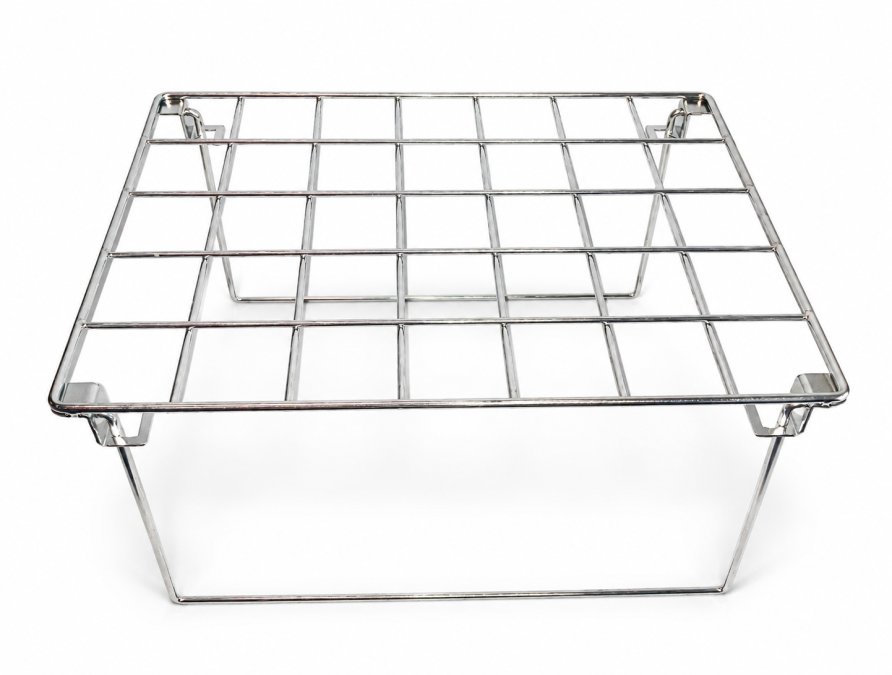
A cooler rack solves this, creating a second level so food stays dry while ice sits below and produce rests above the water line.
As ice melts, water pools at the bottom. Without elevation, bread gets soggy and vegetables absorb moisture and decay faster.
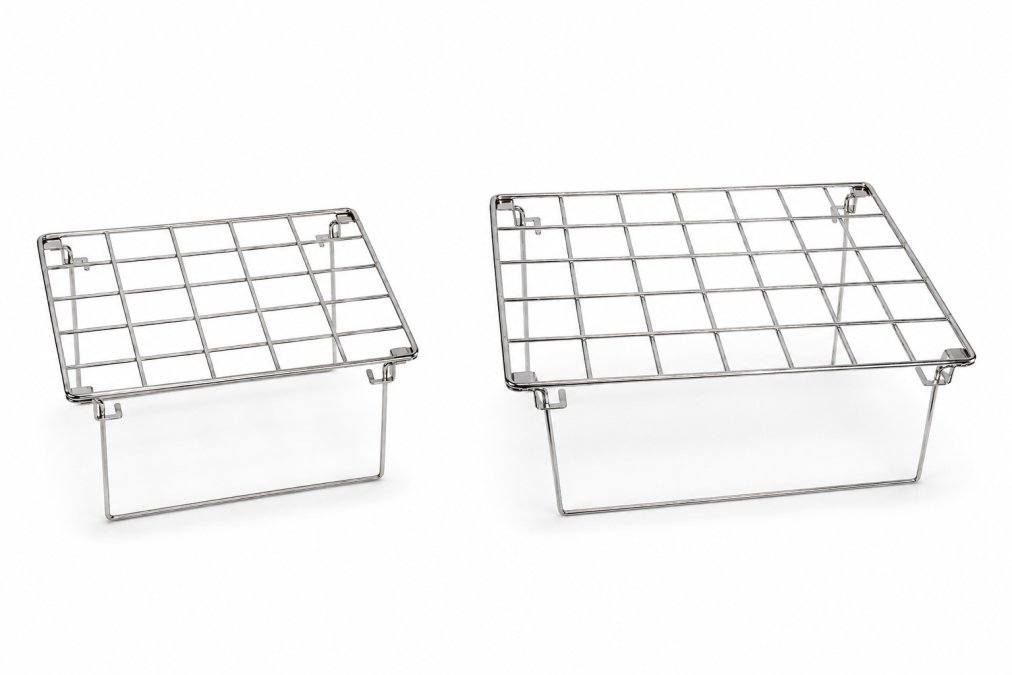
Choose a stainless steel rack designed for your cooler size. Cooler Racks™ makes folding racks in two sizes: the 10-inch compact and the 15-inch full size.

The rack sits on folding legs, needs no assembly, and folds flat for storage. Stainless steel won't rust or corrode, even with repeated dishwasher cleaning.
For larger coolers, combine racks: the 25-inch full system uses one compact and one full-size rack, and the 30-inch maximum coverage uses two full-size racks, creating a continuous platform that keeps all your food dry and organized.
Step 4: How to Pack a Cooler for a Road Trip
Packing order affects temperature stability and how long produce stays fresh in ice chest.
Start with ice at the bottom, then place your cooler rack on top: the ice keeps everything cold while the rack keeps everything dry.
Layer strategically: later items at the bottom of the rack, frequently accessed items on top, reducing how often you open the cooler and lose cold air.
Fill gaps with ice packs or extra ice, since trapped warm air causes temperature swings. A consistent 40°F or below is ideal for produce storage.
Don't pack too tight, air needs to circulate for even cooling. Leave small spaces between containers to keep produce fresh in ice chest by maintaining steady temperature.
Keep the cooler closed except when necessary. Every opening lets cold air escape and warm air in, so know what you want before you open it.
Step 5: Manage Meltwater, Condensation, and Drainage
Meltwater is the single biggest threat to produce in an ice chest: it pools, wicks into cardboard and paper bags, and creates the humid microclimate mold and soft rot need.
Start with the drain plug at the lowest point of almost every hard-sided cooler.
Elevation handles the water that pools between drains.
Condensation is the second front. Every time you open the lid, humid outside air rushes in and condenses on the lid's underside and cold produce surfaces, then drips.
For multi-day trips, plan drainage around trip length:
- Day trip (under 12 hours): One drain at the midpoint is usually enough. A single towel on top handles condensation.
- Overnight (1-2 days): Drain twice daily. Replace the top towel each morning. Check that no produce is sitting in standing water before you sleep.
- Multi-day (3-5 days): Drain at least twice daily, more in heat above 90°F. Bring a spare towel. If your cooler has a removable basket or rack, lift it once a day to confirm the bottom is draining freely and not blocked by a collapsed bag.
Keep the cooler in shade whenever possible. Direct sun on a dark lid can push interior temperatures above the ice's melting point and roughly double meltwater production.
CR-SS-15 Full Size Cooler Rack (15″) →
Separate wet from dry at the packing stage: beverages, ice, and sealed hard containers on the ice side; produce, bread, and paper-wrapped items on the elevated dry side.
Pack a small sponge or microfiber cloth for water management. Wipe the interior walls and lid underside when you open the cooler, before condensation drips. This one tool prevents most soggy-bread and wilted-greens complaints.
How Long Does Produce Last in a Cooler
Storage duration in an ice chest depends on three variables: the produce type, the temperature zone it sits in, and how often the cooler is opened.
Think in temperature zones rather than one number:
- Direct ice contact zone (32-35°F): Only for hardy, sealed items. Most produce freezes and breaks down here.
- Elevated rack zone (36-40°F): The target zone for most produce. This is where a rack above block ice earns its keep.
- Top and lid zone (40-50°F): Warmest area. Best for tomatoes, bananas, and anything sensitive to chilling injury.
With that in mind, here are realistic cooler-life estimates for a properly packed, well-drained ice chest that is opened a few times a day:
| Produce Type | Cooler Temperature Target | Realistic Cooler Life | Best Storage Method |
|---|---|---|---|
| Leafy greens (lettuce, spinach, kale) | 36-40°F | 2-3 days | Sealed container with a dry paper towel; keep off the ice |
| Berries (strawberries, blueberries) | 36-40°F | 3-4 days | Unwashed, in original vented clamshell or a ventilated bag |
| Root vegetables (carrots, beets) | 36-40°F | 5-7 days | Breathable bag or loose on the rack |
| Potatoes | 45-50°F | 5-7 days | Paper bag, away from the coldest zone |
| Apples and citrus | 36-40°F | 7-10 days | Loose or in a ventilated bag |
| Tomatoes | 50-55°F | 2-3 days | Top zone, separated from the coldest area |
| Mushrooms | 36-40°F | 2-3 days | Paper bag, never plastic |
| Stone fruit (peaches, plums) | 36-40°F | 3-5 days | Single layer, not stacked |
| Melons (whole) | 40-45°F | 5-7 days | Loose on the rack |
| Avocados (ripe) | 40-45°F | 2-3 days | Top zone, away from ice |
| Herbs (soft, like basil) | 50-55°F | 1-2 days | Top zone, upright in a cup if possible |
| Herbs (hardy, like rosemary) | 36-40°F | 5-7 days | Breathable bag |
A few cooler-specific rules that change these numbers:
Trip length changes the plan. On a day trip, almost anything survives if it stays dry. Overnight, prioritize hardy items, root vegetables, apples, citrus, and eat delicate greens and berries first. For 3-5 days, plan menus around root vegetables, apples, and citrus, treating leafy greens and berries as day-one and day-two items.
Opening frequency matters as much as ice quantity. A cooler opened ten times a day loses cold air faster than one opened twice, regardless of ice packed.
Pre-chilled produce lasts longer. Produce already cold from a refrigerator holds its temperature longer than produce packed at room temperature, so chill hardy items overnight before packing.
Cut produce loses days, not hours. A whole head of cabbage lasts a week on the rack. A bag of shredded cabbage lasts a day or two. Cut surfaces oxidize and lose moisture faster, so pack whole whenever the menu allows.
Don't wash before packing. Surface moisture is the fastest route to mold in a humid cooler. Pack dry, wash at mealtime.
For anything past five days, an ice chest is the wrong tool, use a powered cooler or a resupply stop.
Common Mistakes to Avoid
Washing produce before packing is the #1 mistake, moisture promotes mold and decay. Pack dry and wash when ready to eat.
Overpacking creates dead zones where temperature doesn't reach. Leave space for air circulation, a slightly fuller cooler is fine, but packed solid is counterproductive.
Storing produce directly on ice damages it, the intense cold freezes delicate items and causes cellular breakdown.
Using too little ice is another common error, cutting back to save money ends in warm food and wasted produce. Use the 2:1 ice-to-food ratio minimum.
Opening the cooler constantly ruins temperature consistency, letting cold air out and warm air in. Organize items so you know exactly where everything is and minimize opening time.
Mixing wet and dry items is a setup for failure.
Ignoring drainage is a health issue. Stagnant water grows bacteria. Empty the drain plug regularly. A clean cooler is a safe cooler.
Conclusion
Keeping produce fresh in ice chest requires three things: proper preparation, smart packing, and active management. Start with a clean, pre-chilled cooler. Use block ice for longer trips. Separate ethylene-producing fruits from sensitive vegetables. Elevate your food above meltwater with a cooler rack.
Cooler Racks™ solves the elevation problem with folding stainless steel racks designed for hard-sided coolers. The 7-inch elevation keeps food completely dry. The 304 food-grade stainless steel resists rust and dishwasher-safe cleaning. Choose the size that fits your cooler, or combine sizes for maximum coverage.

Our Fridge Mode™ setup pairs a Cooler Racks rack with block ice to create organized food storage without electricity, produce stays fresh, drinks stay cold, and everything stays dry. No more soggy sandwiches or wilted vegetables at the campsite.
Shop Cooler Racks and experience the difference elevation makes. Get started with the size that fits your cooler, and keep your food dry on every trip.
Frequently Asked Questions
How should food be stored in a cooler to keep produce fresh?
Store produce on an elevated rack or shelf above ice and meltwater. Keep fruits and vegetables separated by ethylene sensitivity. Use block ice rather than cubed ice for longer cooling duration and less meltwater accumulation.
Which fruits and vegetables should not be stored together in a cooler?
Separate ethylene-producing fruits (apples, bananas, avocados, tomatoes) from ethylene-sensitive vegetables (leafy greens, broccoli). Ethylene gas speeds ripening and decay in sensitive produce. Also keep mushrooms and berries away from high-moisture vegetables to prevent mold. Store root vegetables separately from leafy greens, which wilt faster in high humidity.
How long can produce stay fresh in a cooler?
Shelf life depends on produce type and cooler conditions. Using block ice, managing meltwater, and elevating food above ice on a cooler rack maximizes storage duration.
Should produce be washed before packing it in a cooler?
Wash produce gently under cool water before packing, but dry it completely with a clean cloth or paper towels. Excess moisture promotes mold growth and decay. Berries and mushrooms should be rinsed just before eating rather than pre-washed. Leafy greens benefit from a light rinse and thorough drying. Unwashed root vegetables stay fresher longer but should be wiped clean of soil before storage.