

How to Keep Produce Fresh Camping: 7 Steps
Table of Contents
- Choose Produce That Keeps Well Without Refrigeration
- Vegetables That Do Not Need Refrigeration for Short Trips
- How to Pack Produce in a Cooler: Step-by-Step
- How Long Produce Lasts in a Cooler by Trip Length
- Keep Produce Cool and Out of Direct Sunlight
- Monitor for Spoilage and Ethylene-Producing Fruits
- Backpacking vs. Car Camping: Storage Differences
- Frequently Asked Questions
Last Updated: October 11, 2026
Choose Produce That Keeps Well Without Refrigeration
To keep produce fresh camping, start by picking produce that naturally resists spoilage and bruising. Hardy vegetables and fruits last longer without refrigeration, survive bumpy truck rides, and stay edible for days in a cooler.
Root vegetables, firm fruits, and low-water-content options resist damage and decay. Choose carrots, snap peas, apples, and potatoes instead of berries, lettuce, and tomatoes.
Produce-Specific Storage Guide
Different fruits and vegetables need different handling. Here's how to store the most common camping produce:
Root vegetables (carrots, potatoes, onions, beets): Store in a breathable bag in the coolest part of your cooler. They last longest when kept cool but dry. Don't wash until you're ready to eat them; soil helps them stay fresh longer.
Firm fruits (apples, oranges, lemons, limes): Keep in a separate breathable bag away from ethylene-sensitive vegetables. Apples produce ethylene gas and ripen nearby produce rapidly. Store on an elevation rack above ice if possible.
Snap peas and green beans: Store in a breathable bag with a paper towel lining, elevated above ice. Stay crisp for 3-5 days if kept below 45°F. Don't wash until you're ready to eat them.
Bell peppers and cucumbers: Store in a breathable bag on an elevation rack, separated from ethylene-producing fruits like apples and bananas. Both last 5-7 days.
Cabbage: Store in a breathable bag or open container. Cabbage is one of the hardiest vegetables and lasts 1-2 weeks in a cooler. It doesn't need ice contact and can tolerate warmer storage than most produce.
Celery: Store upright in a breathable bag with a damp paper towel at the base. Lasts 5-7 days if kept cool. Don't seal it in plastic.
Avoid bringing: Tomatoes, mushrooms, soft leafy greens (lettuce, spinach), berries, and stone fruits (peaches, plums) unless you're eating them on day one. These spoil rapidly in coolers and take up valuable space.
Managing Ripeness and Ethylene Gas
Ethylene is a plant hormone that triggers ripening and decay. Separating high producers from sensitive produce extends freshness significantly.
High ethylene producers: Apples, bananas, avocados, tomatoes (if you bring them), and stone fruits. Store these in their own sealed or separate breathable bag, away from other produce.
Ethylene-sensitive produce: Leafy greens, broccoli, cucumbers, snap peas, and carrots. Keep these in a separate section of your cooler, as far as possible from ethylene producers.
Eat bananas first or remove them once they yellow, a single ripening banana can turn snap peas brown in 24 hours.
Trip Length and Temperature Planning
Your produce choices should match your trip length and expected cooler temperature.
Overnight trips (1 day): Bring any produce.
Weekend trips (2-3 days): Carrots, apples, snap peas, peppers, and firm citrus. Keep cooler below 45°F.
Week-long trips (4-7 days): Root vegetables and firm fruits only. Maintain cooler below 40°F.
Hot-weather trips: Carrots, potatoes, onions, and apples only. Use block ice and keep cooler in shade.
Shoulder-season trips (spring/fall): Cooler ambient temperatures allow slightly more delicate produce. Keep cooler below 45°F.
Vegetables That Do Not Need Refrigeration for Short Trips
Vegetables that do not need refrigeration are your best bet for camping without a cooler or when ice melts. Carrots, potatoes, onions, and snap peas stay firm for days at room temperature due to low water content.
Best vegetables for camping trips:
- Carrots (last 1-2 weeks unrefrigerated)
- Potatoes (last several weeks)
- Onions (last weeks to months)
- Snap peas (stay crisp for 3-5 days)
- Bell peppers (last 5-7 days)
- Cucumbers (last 5-7 days, though they prefer cool storage)
- Cabbage (lasts 1-2 weeks)
- Celery (lasts 5-7 days if kept cool)
These vegetables have thicker skins that resist bruising during transport. For three-day trips and longer, stick to these hardy options and avoid soft produce like tomatoes, mushrooms, and lettuce.
How to Pack Produce in a Cooler: Step-by-Step
Packing produce correctly helps you keep produce fresh camping trips from start to finish. Most people throw vegetables in with ice, then wonder why everything turns to mush.
Step 1: Prepare and Wash Your Produce Before Departure
Wash produce under running water and dry completely with paper towels, moisture speeds spoilage. Remove damaged leaves, bruised spots, and soft areas before packing.
Step 2: Dry Produce Completely and Separate by Type
Group produce by type. Keep ethylene-producing fruits (apples, bananas, avocados) separate from ethylene-sensitive vegetables (leafy greens, broccoli, cucumbers). Store potatoes, onions, and root vegetables in a separate section.
Step 3: Use Breathable Storage Bags and Paper Towels
Use breathable cloth bags or mesh instead of plastic, which traps moisture and speeds rot. Line bags with paper towels to absorb moisture; change daily. Don't seal produce in zip-top bags, use them only for items you're eating that day.
Step 4: Elevate Food Above Ice and Meltwater
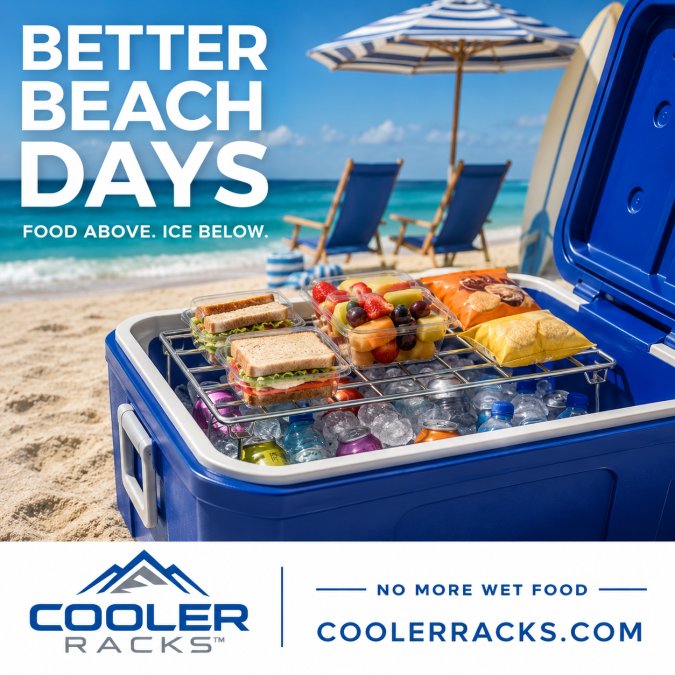
Produce sitting directly on ice or in meltwater absorbs water and rots. Use a cooler organizer rack to elevate produce 7 inches above ice and meltwater. Place block ice below the rack, it melts slower than cubed ice and produces less meltwater. Position vegetables on the rack, not touching ice.
CR-SS-15 Full Size Cooler Rack (15″) →

How Long Produce Lasts in a Cooler by Trip Length
A cooler below 40°F keeps most produce fresh for 3-5 days; warmer coolers cut that time in half. For one-day trips, bring any produce. For two-day trips, use medium-durability items like carrots, apples, snap peas, and peppers. For three-day trips and longer, pack only hardy vegetables and firm fruits. Temperature matters more than time, keep coolers below 45°F.
Keep Produce Cool and Out of Direct Sunlight
Park your cooler in shade, direct sun raises cooler temperature by 10-15 degrees. Keep the lid closed except when grabbing food. For multi-day trips, bury the cooler in a shallow hole in shade; the ground stays cooler than air. Move it to shade before sleeping.
Monitor for Spoilage and Ethylene-Producing Fruits
Check produce daily. A single rotting vegetable ruins everything nearby in hours.
Signs of Spoilage by Produce Type
Carrots and root vegetables: Discard if soft, mushy, or slimy to the touch. A small soft spot can be cut away, but widespread softness means the vegetable is spoiling. Discard if you see mold (white, green, or black fuzz) or a sour smell.
Apples and firm fruits: Discard if the skin is broken, leaking juice, or covered in mold. Small bruises are fine, cut them away before eating. A fermented or vinegary smell means the fruit is fermenting inside; discard it immediately.
Snap peas and green beans: Discard if limp, slimy, or brown. These should snap when bent; if they bend without breaking, they're past their prime. Discard if you see mold or a musty smell.
Bell peppers and cucumbers: Discard if soft, wrinkled, or leaking. A small soft spot can be cut away, but widespread softness means spoilage. Discard if the skin is broken or moldy.
Cabbage: Discard outer leaves if they're wilted or slimy. The inner leaves should be firm and crisp. Discard the whole head if it smells sour or fermented.
Celery: Discard if limp, slimy, or brown. Celery should be crisp and snap when bent. Discard if you see mold or a musty smell.
Safe Handling and Spoilage Prevention
Remove spoiled produce immediately, it releases ethylene gas and moisture that speeds decay in nearby items. Discard produce that smells sour, fermented, or musty. Check apples and root vegetables for internal spoilage before eating. Wash hands after handling spoiled produce. Pack out rotting food in a sealed bag to avoid attracting wildlife.
Managing Ethylene-Producing Fruits
Ethylene-producing fruits ripen everything around them and accelerate decay. Apples, bananas, and avocados release ripening gas that speeds decay in nearby vegetables.
Keep them separate. Store ethylene producers in their own breathable bag or section of the cooler, away from ethylene-sensitive produce like snap peas, cucumbers, and leafy greens. This separation can extend freshness by 2-3 days.
Eat them first. If you notice apples or bananas ripening faster than expected, eat them first or remove them from the cooler. A single overripe apple can turn snap peas brown and soft in 24 hours.
Monitor ripeness daily. Check bananas and avocados each morning. Once they start to yellow or soften, they're entering peak ripeness and producing maximum ethylene. Eat them that day or remove them.
Remove if they start to ferment. If apples or bananas develop a fermented smell or start leaking, remove them immediately. They're spoiling and will contaminate nearby produce.
Backpacking vs. Car Camping: Storage Differences
Car camping lets you bring a full cooler with ice, elevation racks, and plenty of space. Backpacking requires different strategies because you can't carry heavy coolers.
Car camping: Use a cooler organizer rack to keep produce elevated above ice and meltwater. Pack a full cooler with block ice, drinks, and organized food. Bring whatever produce you want within reason.
Backpacking: Weight and space are limited. Bring only shelf-stable produce like carrots, apples, and potatoes. Pack them in breathable cloth bags inside your pack.
For backpacking, focus on produce that doesn't need cooling. Carrots, potatoes, onions, apples, oranges, and nuts last days without refrigeration. Pair them with shelf-stable foods like nuts, dried fruit, and jerky.
If you're backpacking with an insulated bag and ice packs, keep produce in a separate breathable bag.
Car camping with Cooler Racks™ elevation racks gives you the best of both worlds: organized storage, dry food, and maximum cooler space. The racks fold flat for transport and set up in seconds.
Keeping produce fresh camping trips requires planning, the right storage method, and the right tools. Choose hardy vegetables that last without constant cold. Wash and dry everything before packing.
Our stainless steel cooler racks solve this problem by elevating produce 7 inches above ice and meltwater. The CR-SS-15 Full Size Cooler Rack fits most coolers and transforms how you store food.
Frequently Asked Questions
How long does fresh produce last in a cooler?
Most fresh produce lasts 3-5 days in a cooler with proper storage. Hearty vegetables like carrots and snap peas stay fresh for up to a week. Leafy greens and berries spoil faster, typically within 2-3 days. Storage duration depends on starting freshness, cooler temperature, moisture control, and how often you open the cooler. Using breathable bags and keeping produce elevated above meltwater extends freshness significantly.
What vegetables do not need refrigeration for camping trips?
Carrots, potatoes, onions, garlic, cabbage, and winter squash are naturally shelf-stable and don't require refrigeration for short trips. Snap peas, bell peppers, and cucumbers also hold well without cooling for 1-2 days. These low-water-content vegetables resist spoilage and bruising better than delicate greens or berries. For multi-day camping, pack these hardy vegetables first and reserve cooler space for items that genuinely need cold storage.
How should I pack produce in a cooler to keep it dry?
Wash and dry all produce completely before packing. Wrap items in paper towels or store them in breathable cloth bags to absorb moisture and prevent direct contact with ice and meltwater. Elevate produce on a cooler rack, this keeps food completely separated from ice and prevents soggy sandwiches and vegetables. Avoid plastic bags, which trap moisture. Separate ethylene-producing fruits like apples from sensitive produce like lettuce to slow ripening and spoilage.
Is a cooler rack worth it for camping trips?
Yes, especially for trips longer than one day or when carrying fresh produce and sandwiches. A cooler rack elevates food 7 inches above ice and meltwater, eliminating sogginess and keeping items organized like a fridge. For families and groups, the organization alone saves time hunting through ice. Even short beach trips benefit from dry food and easier access. The CR-SS-15 Full Size Cooler Rack costs $32.99 and fits most hard-sided coolers, making it a practical investment for regular campers.