

Secure Mounting Solutions for Boat Coolers That Stay Put
Quick Summary
Secure mounting solutions for boat coolers include tie-down straps for temporary setups, brackets and rails for permanent installs, and aluminum racks for pontoon boats and open decks. Choose based on how permanent your setup is and what your deck is made of, and always plan for the cooler's loaded weight.
- Plan the mount for the loaded weight of the cooler, not its empty weight.
- Tie-down straps suit temporary setups and small coolers but need regular wear checks.
- Brackets and rails are best for permanent installs and resist sliding.
- Aluminum racks lift the cooler off the surface and add airflow on pontoon boats.
- Place rubber pads or felt liners between clamps and the deck to prevent scratches.
Table of Contents
- Why a Loose Cooler Is a Safety Problem on the Water
- Safety and Stability Factors to Check Before You Mount
- Choosing the Right Mounting Hardware for Your Boat
- Mounting a Cooler Without Drilling Into Fiberglass
- Step-by-Step: Installing a Tie-Down and Bracket System
- Securing a Cooler on a Pontoon Boat and Aluminum Rack Options
- Installing Your Setup and Reviewing Your Next Step Toward a Secure Cooler
- Frequently Asked Questions
Why a Loose Cooler Is a Safety Problem on the Water
Last Updated: November 12, 2026
A cooler that slides across a deck is more than an annoyance. On a boat, a loose cooler can strike a passenger, damage a hull, or go overboard in rough water. Secure mounting solutions for boat coolers keep the cooler where you put it, so your food stays dry and your crew stays safe. This guide covers how to choose and install a setup that stays put.
Most boaters think about cooler placement only after something goes wrong. A cooler that rolls during a sudden turn or a wake can injure someone in seconds. The fix is simple: plan the mount before you load the ice and food.
- Loose coolers can hit people, especially in tight cockpits
- Sliding coolers can damage fiberglass, gelcoat, and fittings
- A cooler lost overboard means lost food, lost gear, and a hazard in the water
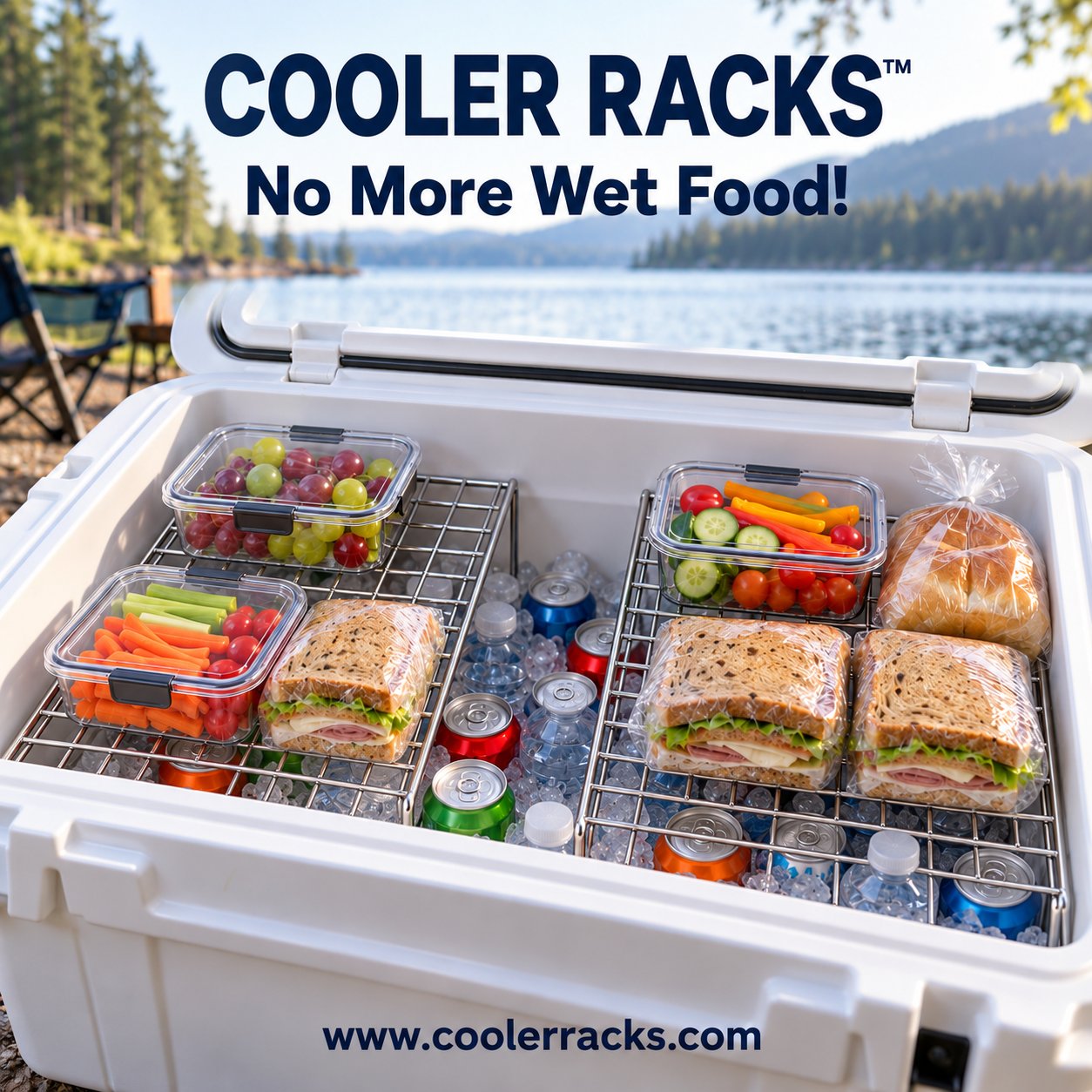
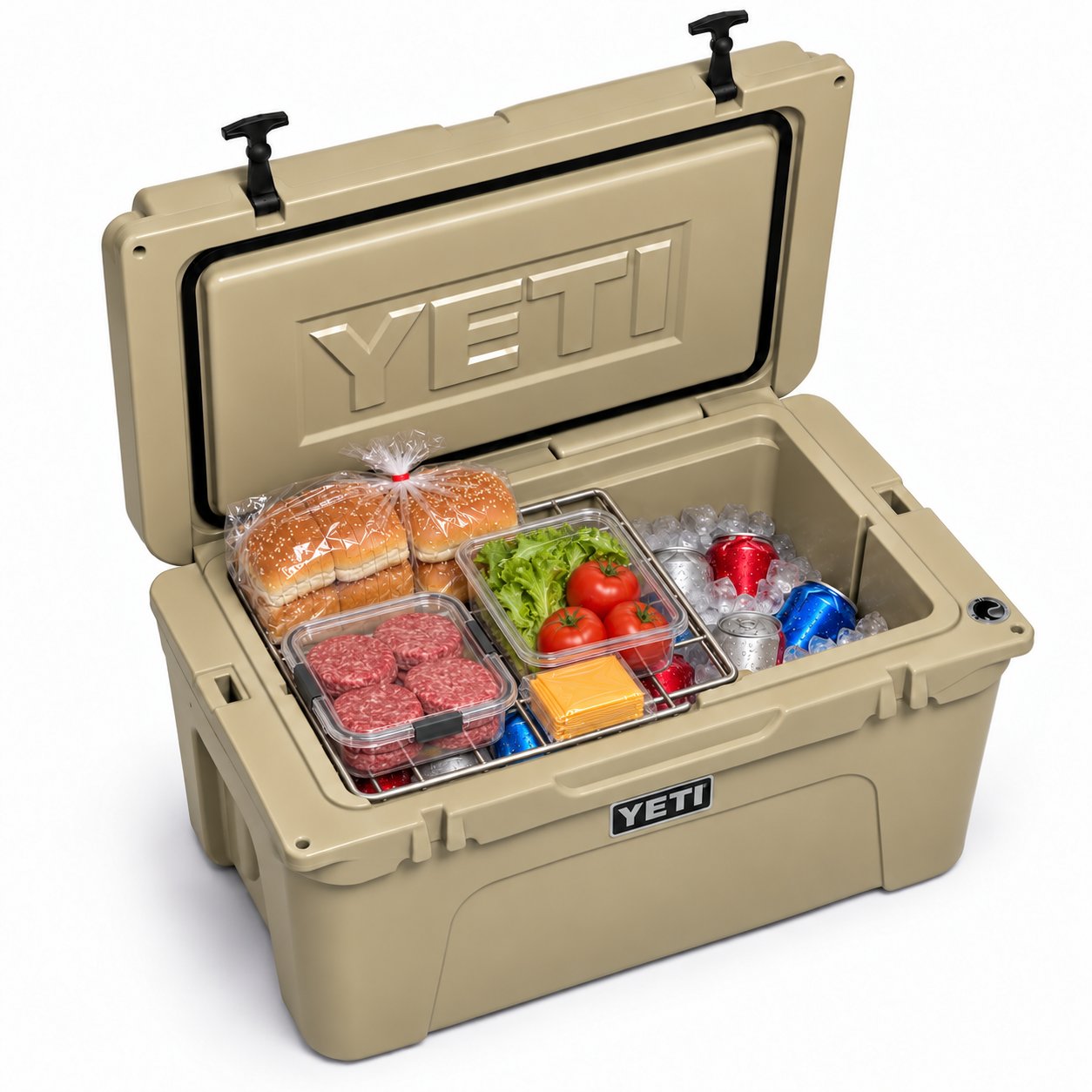
A secure cooler also protects the food inside. When a cooler shifts, meltwater sloshes around and soaks sandwiches and produce. A stable mount keeps the layout you built with your Cooler Racks™ organizer in place, so food stays above the ice where it belongs.
Safety and Stability Factors to Check Before You Mount
Before you drill, clamp, or strap anything, check the basics. The right hardware depends on your boat, your deck, and how you use it.
Weight matters most. A full hard-sided cooler with ice can weigh far more than an empty one. Plan for the loaded weight, not the empty weight, when you pick hardware.
Check your mounting surface. Look for a solid, flat area with enough thickness to hold a fastener. Soft core material or a thin deck panel may need a backing plate.
Think about boat motion. Consider where the cooler will sit during hard turns, waves, and sudden stops. Place it where it won't block a walkway or trap a leg.
Keep the cooler accessible. Mount it where you can open the lid without leaning over water or reaching past a motor.
- Confirm the cooler's loaded weight with ice and food
- Find a solid mounting surface free of rot or cracks
- Leave room to open the lid fully
- Keep the mount clear of walkways, cleats, and steering gear
Choosing the Right Mounting Hardware for Your Boat
Different boats call for different hardware. Match the mount to your deck material and how often you move the cooler.
- Tie-down straps: Good for temporary setups and small coolers. Easy to remove, but they need regular checks for wear.
- Brackets and rails: Best for permanent installs. They hold the cooler firmly and resist sliding.
- Aluminum racks: Useful for pontoon boats and open decks. They lift the cooler off the surface and add airflow.
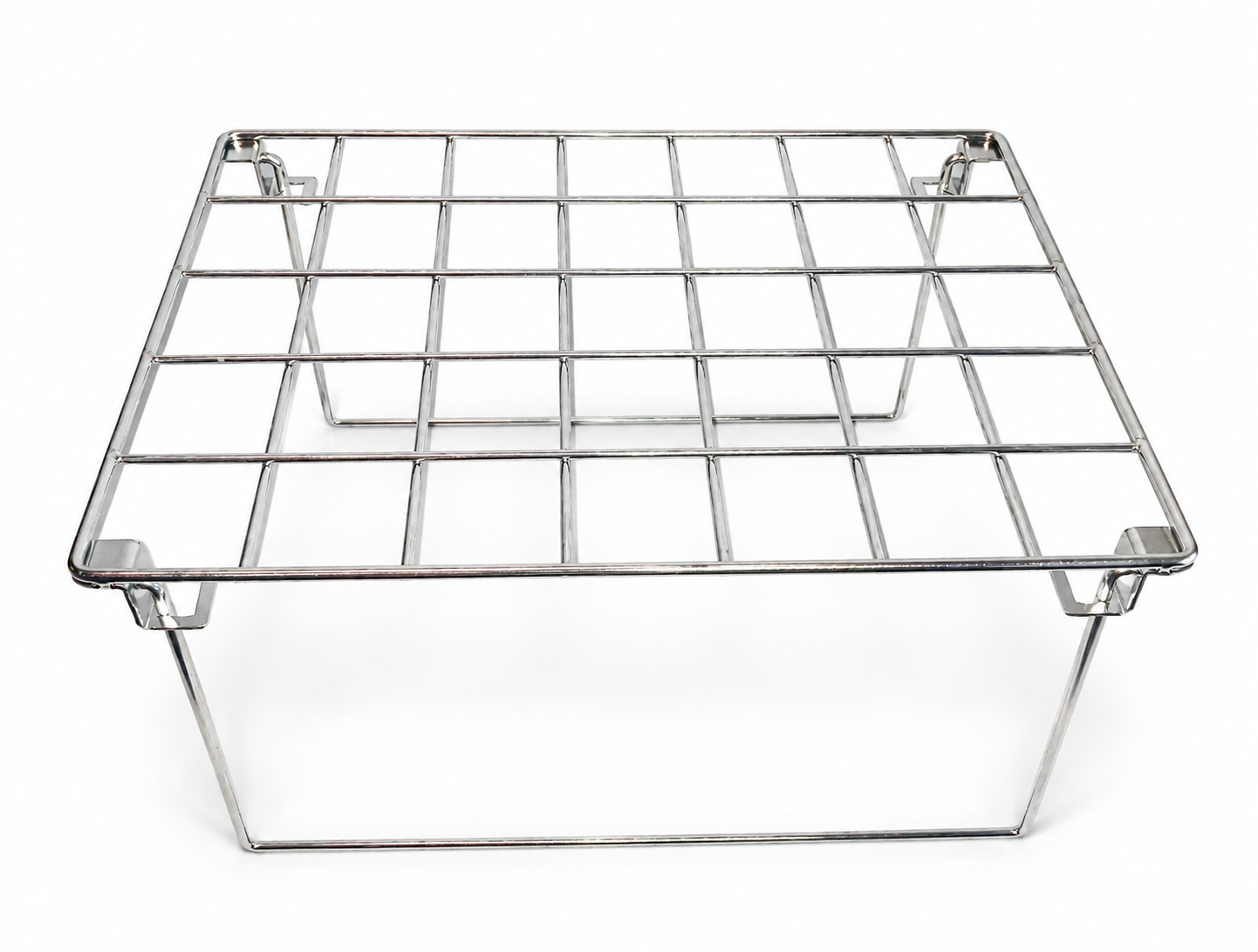
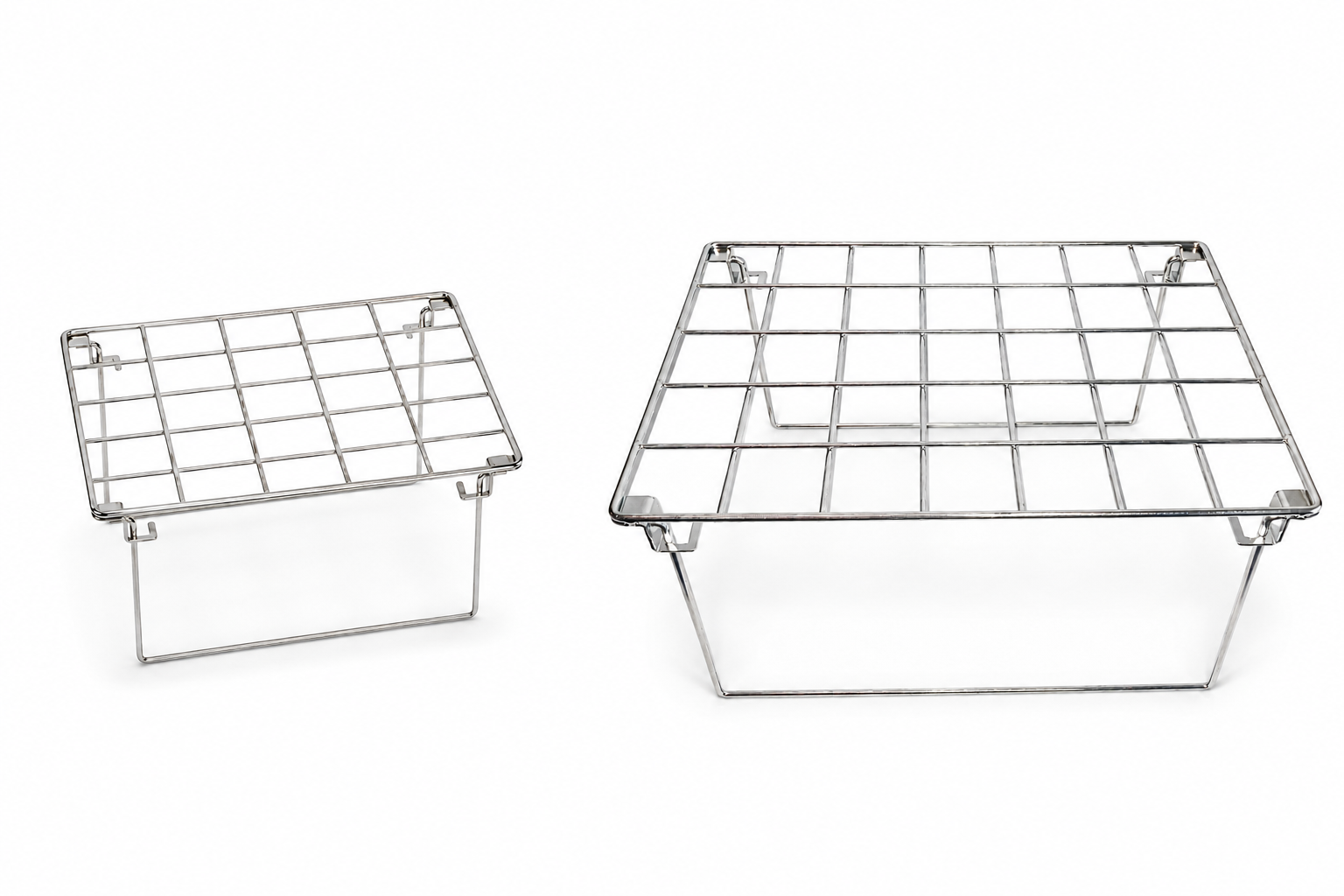
Think about your cooler too. A rack sized for a 15-inch interior won't suit a larger unit. Our CR-SS-15 Full Size Cooler Rack ($34.99) and CR-SS-10 Compact Cooler Rack ($29.99) help you keep food elevated, while your mounting hardware keeps the whole cooler secure.
The right hardware depends on how permanent your setup is and what your deck is made of. The article compares the main options this way:
| Option | Best for | Key difference |
|---|---|---|
| Tie-down straps | Temporary setups and small coolers | Easy to remove but need regular checks for wear |
| Brackets and rails | Permanent installs | Hold the cooler firmly and resist sliding |
| Aluminum racks | Pontoon boats and open decks | Lift the cooler off the surface and add airflow |
Mounting a Cooler Without Drilling Into Fiberglass
Many owners want to avoid drilling into a fiberglass hull or deck. There are good options. A boat cooler mounting kit with clamping brackets or a secure cooler without drilling into fiberglass setup can work well.
Clamp-style systems grip the rails or existing deck hardware. Strap systems wrap around a fixed point, like a cleat or grab rail. Both methods leave the gelcoat intact.
Watch out: Clamps can scratch painted or gelcoated surfaces. Place a rubber pad or felt liner between the clamp and the deck.
Step-by-Step: Installing a Tie-Down and Bracket System
Here is a basic walkthrough for a strap-and-bracket setup.
- Measure the cooler and the space. Confirm the cooler fits without blocking anything.
- Mark the mounting points. Use a tape measure and a marker to set your anchor locations.
- Install the brackets. If you drill, use stainless fasteners and a backing plate.
- Attach the straps. Run them over the cooler and secure them to the brackets.
- Tighten and test. Pull each strap firmly. Push the cooler from several directions to confirm it doesn't move.
- Recheck after your first trip. Straps can loosen as the boat vibrates.
Checklist before you start:
- Stainless steel fasteners and backing plates
- Drill, bits, and sealant (if drilling)
- Tape measure and marker
- Rubber pads or felt liners
- Wrench or screwdriver set
Securing a Cooler on a Pontoon Boat and Aluminum Rack Options
Pontoon boats have open, flat decks, which makes a cooler easy to slide. A boat ice chest seat or a rack with rails can hold the cooler in place. Aluminum racks are a solid choice here.
Many pontoon owners find that a rack with rails gives the most control. It stops side-to-side movement and keeps the cooler from bumping the seating. You can also read a review of folding racks for hard coolers before you choose. For the full seat and setup process, see the complete buying and setup guide for a boat ice chest seat.
Installing Your Setup and Reviewing Your Next Step Toward a Secure Cooler
Once your mount is in place, load the cooler and run a final test. Push it, tug the straps, and check that the lid opens without hitting anything. Recheck the hardware after the first few trips, since boat vibration can loosen fasteners over time.
If you want a clean, organized layout inside the cooler, a rack keeps food above the ice and drinks below. Our Full Cooler System (25″) ($59.99) pairs a compact and a full-size rack for two elevated food areas. Start with a solid base, and the rest of your cooler setup will stay put.
Frequently Asked Questions
How do you lock a cooler on a boat?
Most people secure a cooler by combining a physical lock with a fixed anchor point. Use a cable or padlock through the cooler handles and a rigid anchor such as a rail or bracket, so the cooler cannot be lifted out or slid away. A mounting bracket with a locking pin or a cable lock through a bolted eyelet works well. Check that the anchor point is bolted through the deck or into a backing plate, not just screwed into the gelcoat, so the setup holds during rough water and sudden stops.
Can you mount a boat cooler without drilling into fiberglass?
Yes. Tie-down straps, ratchet tie-downs anchored to existing cleats or rails, and freestanding cooler racks let you secure a cooler without drilling. Use a non-slip mat under the cooler and anchor the straps to fixed hardware such as cleats or a rod holder base. Avoid suction-cup and adhesive-only mounts for heavy loaded coolers, because they can fail once the cooler shifts. If you do drill, use a backing plate and sealant to prevent water intrusion.
Are boat cooler mounting kits universal?
Most kits are not truly universal. Bracket spacing, rail diameter, and deck thickness vary between boats, and cooler dimensions differ by model. Measure your cooler's footprint and handle height, then check the kit's listed compatibility before buying. A tie-down kit with adjustable straps is more forgiving across cooler sizes than a fixed bracket, so it is often the easier choice when you are unsure of fit.
How do you keep a cooler from sliding on a pontoon boat?
On a pontoon, the main risk is lateral movement across a flat deck. Place the cooler against a fixed rail or seat base, add a rubber non-slip mat, and secure it with two tie-down straps crossing in opposite directions. Strap the cooler to a rail or deck cleat rather than to the lightweight seat frame. Recheck the straps after the first few miles, because vibration can loosen them over time.
